The Science Behind Stretching: How Flexibility Boosts Your Mood
The Science Behind Stretching reveals not just physical benefits, but significant mental health advantages. Stretching increases blood flow and circulation, which helps deliver oxygen and nutrients to muscles and tissues. As a result, engaging in regular stretching routines has been linked to improved mental clarity and reduced feelings of anxiety. According to a study published in the National Institutes of Health, incorporating flexibility training into your daily routine can lead to better stress management and overall mood enhancement.
Moreover, stretching activates the release of various neurotransmitters such as endorphins and serotonin, known for their role in fostering feelings of happiness and relaxation. When you engage in flexibility exercises, your body responds by reducing tension and promoting a feeling of well-being. This chemical response explains why individuals often experience a sense of euphoria or relief after a good stretch. To further explore the connection between stretching and mood improvements, you can refer to findings from Healthline that highlight how consistent flexibility training not only enhances physical performance but also acts as a potent remedy for stress and anxiety.
5 Simple Stretching Routines to Elevate Your Spirits Daily
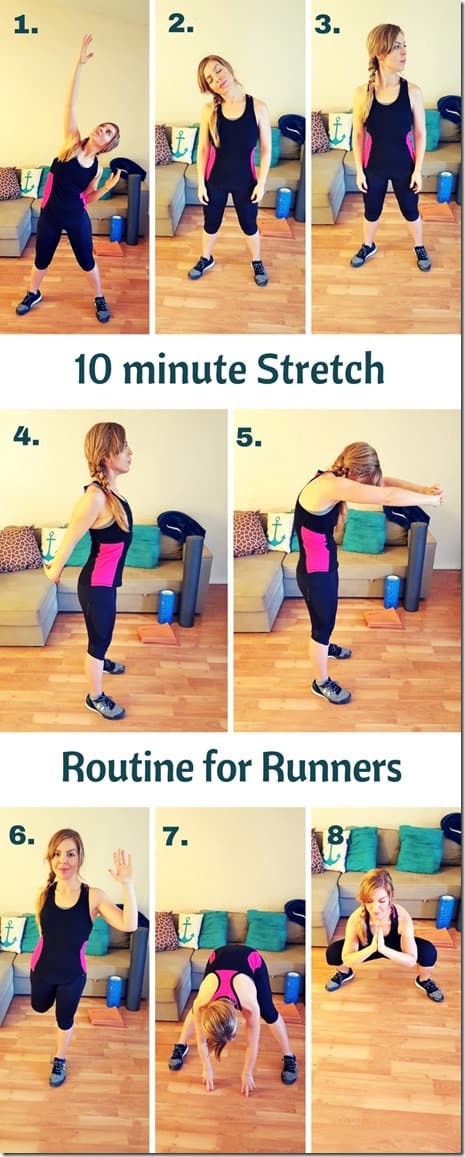
Starting your day with a positive mindset can be challenging, but incorporating stretching routines into your morning can truly elevate your spirits. Here are 5 simple stretching routines you can perform daily to enhance your mood:
- Neck Rolls: Gently roll your neck in circles to relieve tension and promote relaxation. This can help wake you up and get you ready for the day ahead.
- Shoulder Stretch: Extend your arms and clasp your hands. Pull your shoulders back while breathing deeply. This exercise opens up your chest and encourages a feeling of openness and positivity.
Continuing on this journey to uplift your spirits, remember that consistency is key. Here are the remaining stretches:
- Forward Bend: Stand tall and slowly bend forward to touch your toes. This move not only stretches the back but also helps ground your energy.
- Cobra Pose: Lie on your stomach, place your palms under your shoulders, and gently push up to open your chest. This position promotes a sense of empowerment and vitality.
- Child’s Pose: Sit back on your heels with your arms stretched out in front of you. This pose creates space to reflect and can bring a profound sense of calm to your day.
For more tips on the benefits of stretching, check out Healthline's article on the emotional benefits of stretching.
Can Stretching Really Improve Your Mental Health?
Stretching is often associated with physical fitness, but its impact on mental health is gaining recognition in recent research. Engaging in regular stretching exercises can lead to significant benefits for your mind. According to a study published in the Journal of Bodywork and Movement Therapies, stretching can help reduce symptoms of anxiety and depression. By promoting relaxation and reducing muscle tension, stretching acts as a natural antidote to stress, allowing individuals to experience a greater sense of well-being.
Moreover, stretching can enhance your mind-body connection, creating a state of mindfulness that can further boost your mental clarity and focus. Incorporating stretching into your daily routine not only improves physical flexibility but also encourages mental resiliency. A review in the Frontiers in Psychology indicates that individuals who practice stretching regularly report feeling more centered and calm. By dedicating just a few minutes each day to stretch your body, you’re nurturing your mental health while promoting overall physical vitality.