Top 5 JavaScript Frameworks That Redefine Development Joy
In the ever-evolving landscape of web development, JavaScript frameworks play a critical role in enhancing productivity and joy for developers. Among the many options available, the following five frameworks stand out for their unique features and capabilities:
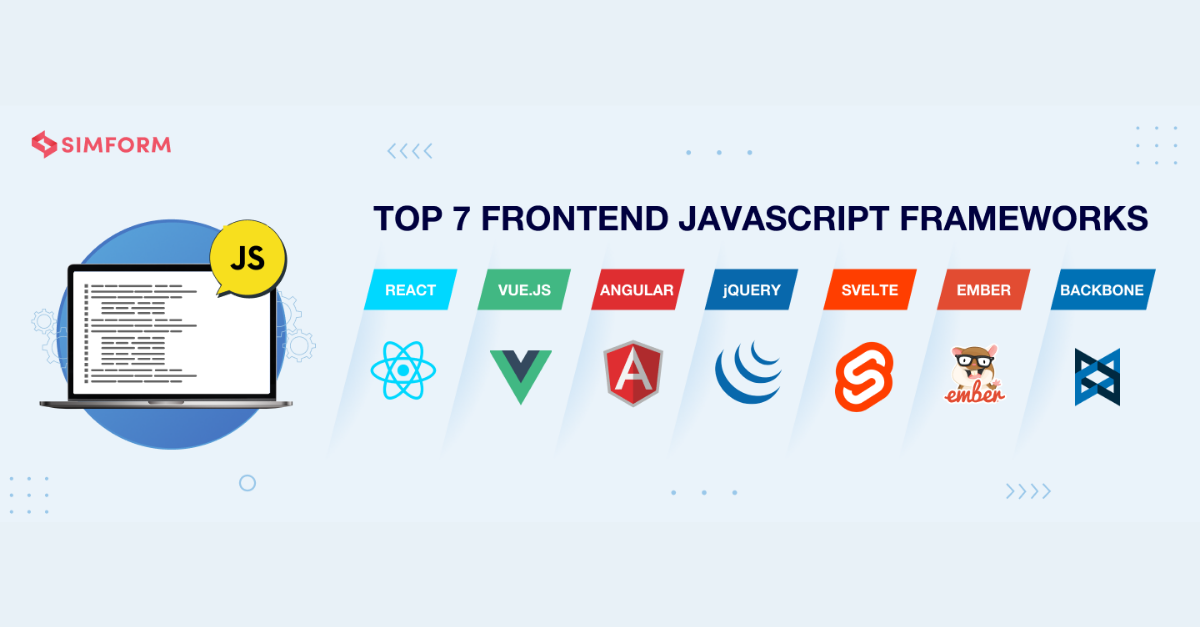
- React: Created by Facebook, React has revolutionized the way we build user interfaces by introducing a component-based architecture that promotes reusability and maintainability. Its Virtual DOM optimizes rendering, ensuring fast and efficient updates, which makes it a favorite among developers.
- Vue.js: Known for its simplicity and versatility, Vue.js allows developers to incrementally adopt its features, making it perfect for both small and large-scale applications. Its reactive data binding and rich ecosystem empower developers to create seamless user experiences.
- Angular: This powerful framework developed by Google provides a comprehensive solution for building dynamic web applications. With two-way data binding and dependency injection, Angular simplifies the development process and enables scalable applications.
- Ember.js: Ember.js is designed for creating ambitious web applications, with a convention-over-configuration philosophy that streamlines development. Its built-in router and state management capabilities make it easy to manage complex application structures.
- Svelte: Unlike traditional frameworks, Svelte shifts much of the work to compile time, resulting in highly optimized and lightweight applications. Its simple syntax and reactivity model make Svelte a joy to work with, attracting many new developers to the community.
How JavaScript Frameworks Enhance Developer Productivity: A Deep Dive
JavaScript frameworks have revolutionized the way developers approach building web applications by providing a structured approach to coding that enhances productivity. With built-in functionalities like routing, state management, and templating, these frameworks allow developers to focus on writing high-quality code rather than handling repetitive tasks. For instance, frameworks like React and Angular enable developers to create reusable components, significantly reducing development time and effort. This modularity not only boosts efficiency but also makes it easier to maintain and scale applications as the project evolves.
Furthermore, the use of JavaScript frameworks fosters collaboration among developers by promoting best practices and standardized coding conventions. Frameworks often come with comprehensive documentation and community support, allowing developers to quickly troubleshoot issues and share knowledge through forums and tutorials. This leads to a more productive development environment as teams can easily onboard new members and accelerate the learning curve. In essence, embracing these frameworks not only enhances individual productivity but also contributes to a more cohesive and efficient team dynamic.
What Makes a JavaScript Framework Truly Joyful? Key Features Explored
When exploring what makes a JavaScript framework truly joyful, we need to consider the core features that enhance developer experience. Firstly, ease of use is paramount; a well-designed framework provides a smooth onboarding process, comprehensive documentation, and intuitive APIs that allow developers to focus on building rather than troubleshooting. Additionally, factors such as robust community support and frequent updates play a crucial role in ensuring that developers feel confident and supported as they work on their projects.
Another essential aspect of a joyful JavaScript framework is the emphasis on performance and scalability. A framework that optimizes rendering and offers built-in tools for handling asynchronous operations significantly reduces the complexity of managing state and data flow. Furthermore, frameworks that promote a modular architecture enable developers to create reusable components. This approach not only enhances productivity but also fosters a sense of accomplishment as developers easily showcase and maintain their work in collaborative environments.