Smart Bulking: Tips to Gain Muscle Without Excess Fat
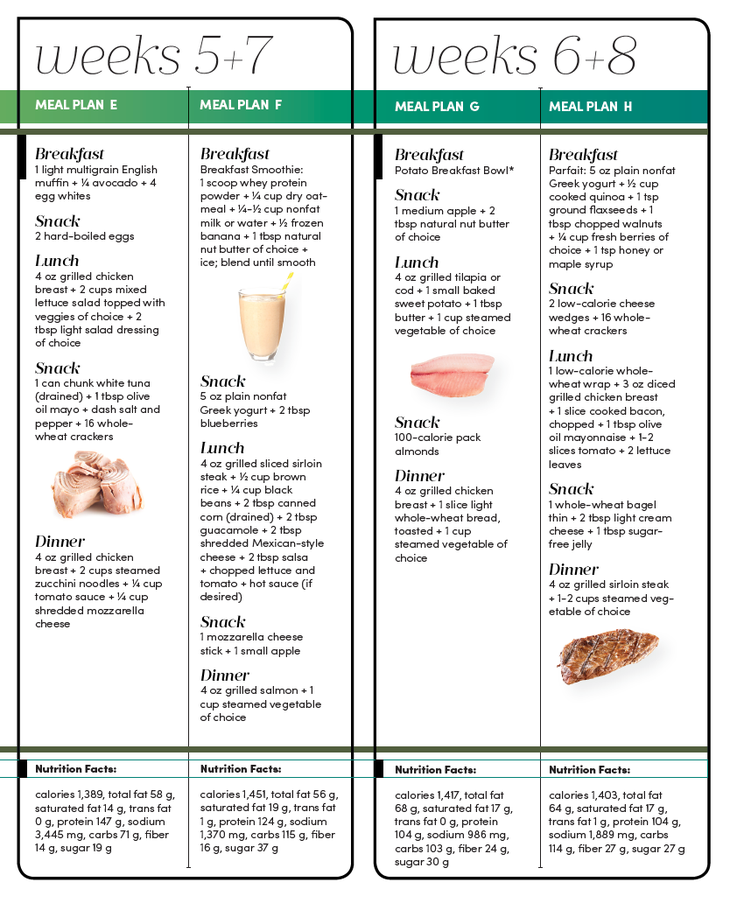
Smart bulking is a strategic approach to muscle gain that focuses on maximizing muscle growth while minimizing fat accumulation. To achieve this, it's essential to prioritize a well-balanced diet rich in macronutrients. Aim to consume a slight caloric surplus, around 250-500 calories above your maintenance level, to ensure that your body has the necessary fuel for muscle synthesis. Incorporate a variety of protein sources, healthy fats, and complex carbohydrates into your meals. For instance, consider foods like lean meats, fish, eggs, avocado, quinoa, and whole grains. Additionally, staying hydrated is crucial, as water plays a vital role in muscle recovery and overall health.
Besides nutrition, proper training routines are paramount for successful smart bulking. Focus on compound movements that target multiple muscle groups, such as squats, deadlifts, and bench presses. These exercises stimulate greater muscle fiber activation and promote more substantial hormonal responses conducive to muscle growth. To optimize your results, consider following a structured workout plan that includes progressive overload—gradually increasing weights or reps over time. Lastly, ensure you get enough rest and recovery, as muscles need time to repair and grow stronger. Strive for at least 7-9 hours of quality sleep each night to support your bulking goals.
The Science of Clean Bulking: Key Strategies for Effective Muscle Gain
Clean bulking is a strategic approach to building muscle while minimizing fat gain. It focuses on a nutrient-dense diet combined with a structured workout regimen. To embark on an effective clean bulking journey, consider implementing the following key strategies:
- Caloric Surplus: Consume slightly more calories than your body burns to promote muscle growth.
- Macro Management: Prioritize protein intake (1.6-2.2g per kg of body weight) along with healthy fats and carbohydrates to fuel your workouts.
- Whole Foods: Emphasize whole, unprocessed foods including lean meats, whole grains, fruits, and vegetables for optimal nutrition.
In addition to dietary adjustments, your workout regimen plays a crucial role in clean bulking. Strength training should be the cornerstone of your program, focusing on compound lifts such as squats, deadlifts, and bench presses that target multiple muscle groups. Furthermore, ensure adequate recovery through:
- Sufficient Sleep: Aim for 7-9 hours of quality sleep per night to support muscle recovery.
- Hydration: Keep your body hydrated to enhance performance and recovery.
- Progressive Overload: Gradually increase the intensity of your workouts to continue challenging your muscles and stimulate growth.
How to Bulk Up Without the Bloat: Common Mistakes to Avoid
When aiming to bulk up without the dreaded bloat, it's essential to be mindful of your dietary choices. One common mistake many beginners make is consuming an excess of calories without considering the quality of those calories. Opting for processed foods and sugary snacks might lead to a quick weight increase, but it can also result in unwanted fat gain. Instead, focus on whole foods rich in nutrients such as lean proteins, healthy fats, and complex carbohydrates. Incorporating a variety of foods will not only help in muscle recovery but will also support your overall health.
Another significant pitfall to avoid is neglecting the role of hydration in your bulking strategy. Many people forget that drinking enough water is crucial when increasing their caloric intake. Dehydration can lead to water retention, making you feel bloated and uncomfortable. Aim to drink at least 8-10 glasses of water daily, and consider incorporating electrolyte-rich drinks if you're engaging in intense workouts. Staying properly hydrated can help you manage muscle soreness and support optimal performance in the gym, making your bulking journey much more effective.